Glaucoma Test Cost in Abuja: What Glaucoma Screening Includes
How Much Does a Glaucoma Test Cost in Abuja?If you're looking for the cost of a glaucoma test in Abuja, the price depends on the tests your optometrist recommends after assessing …
We examine your eyes carefully because small details matter. Every patient receives thorough evaluation using modern diagnostic equipment to ensure accurate vision care.
Your eyes are shaped by how you live and work. Our optometrists provide personalized recommendations for glasses, lenses, and eye health solutions tailored to your lifestyle.
We run structured appointments designed to minimize waiting time while ensuring every patient receives attentive, professional care.
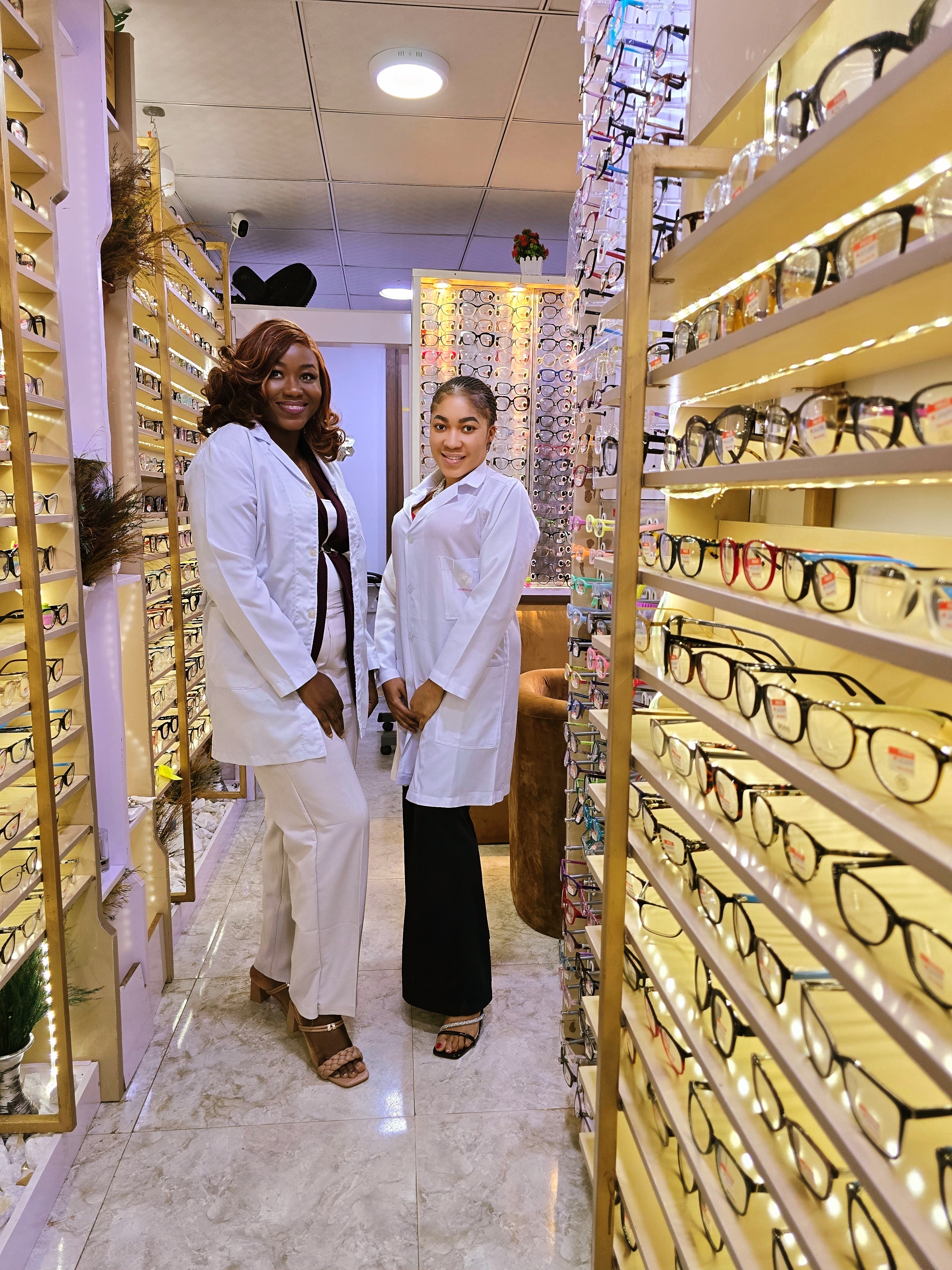
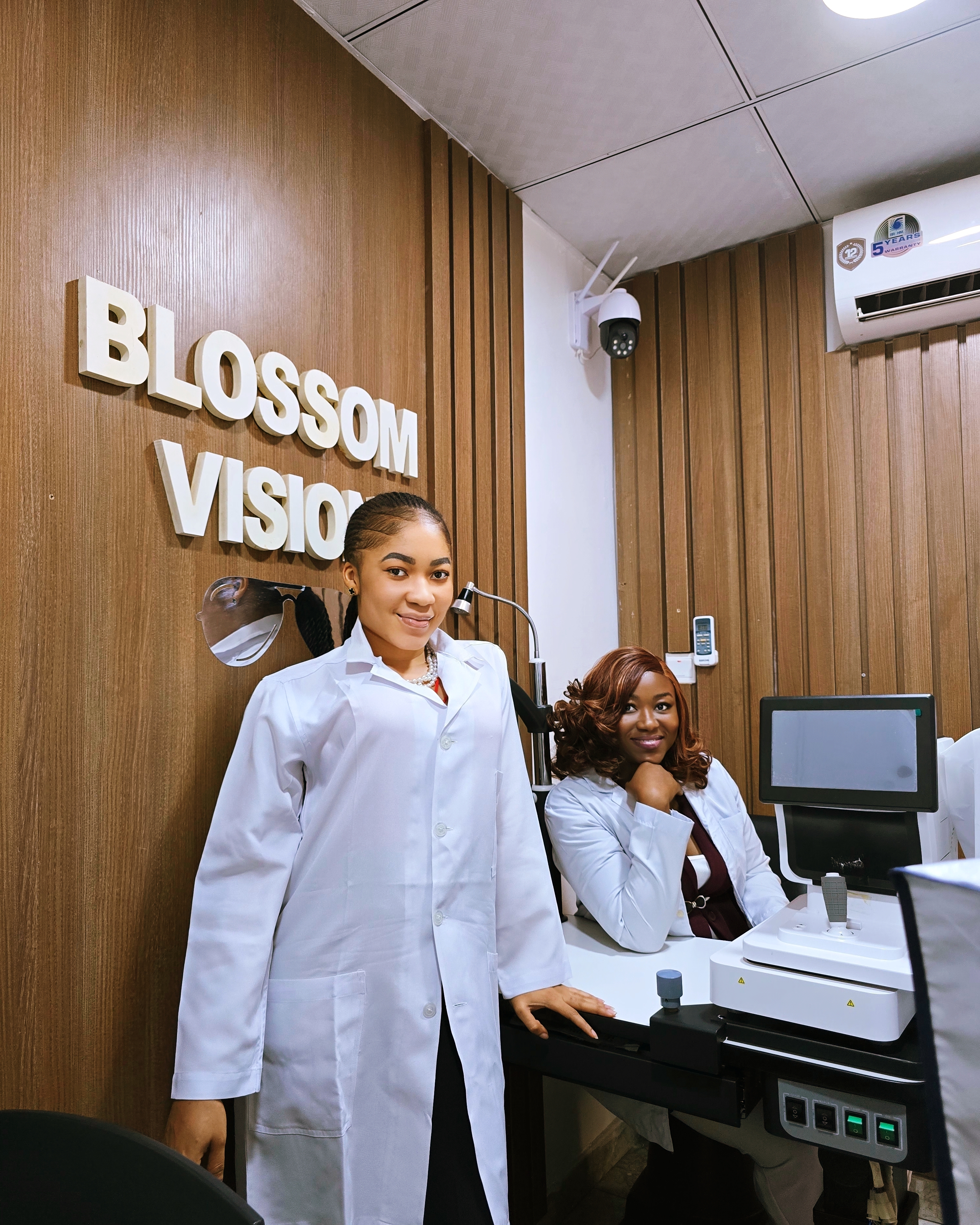
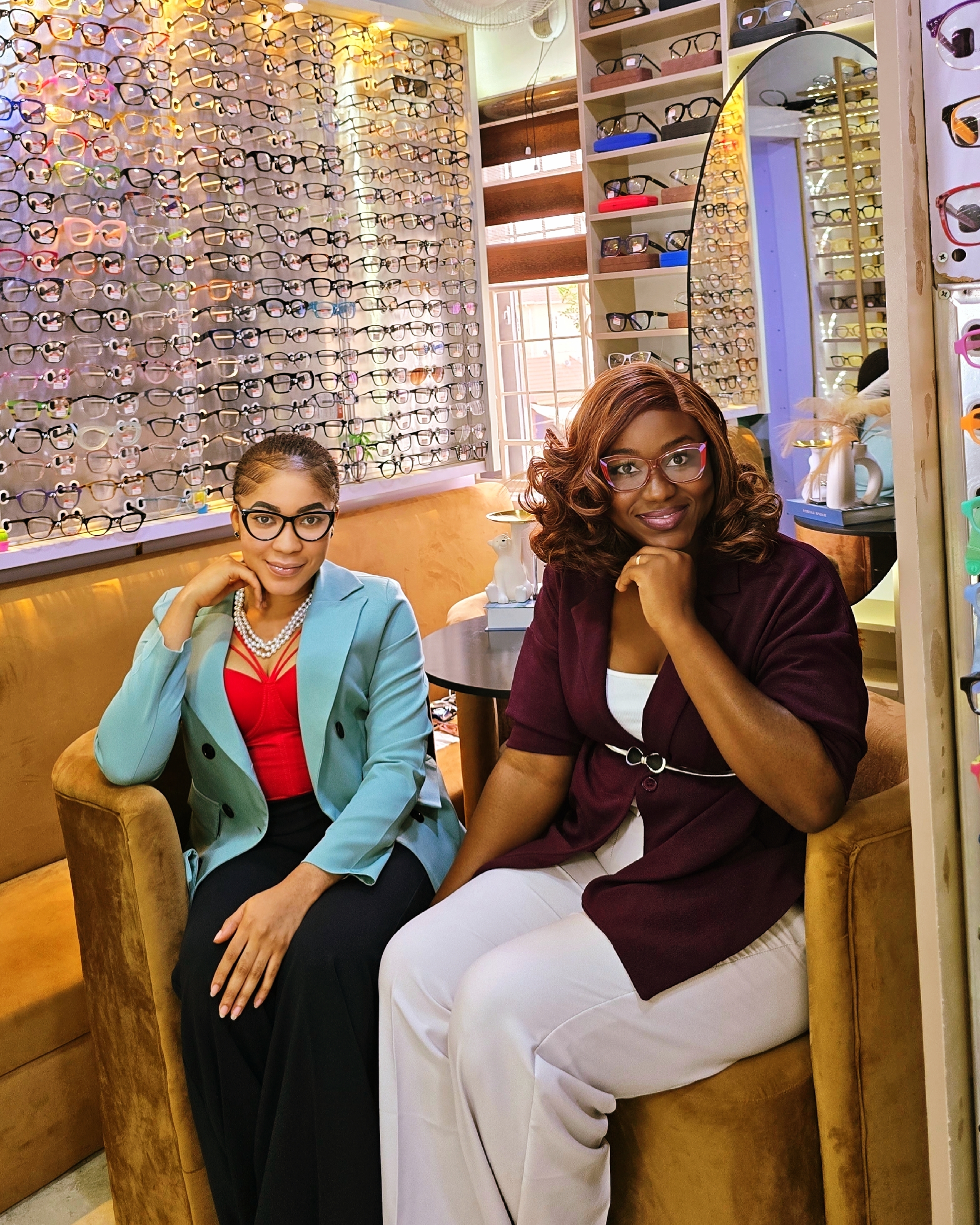
Blossom Vision Eye Clinic is an eye clinic in Games Village, Abuja, providing comprehensive eye examinations, glaucoma screening, diabetic eye care, pediatric eye care, contact lens services and prescription glasses. Our optometrists serve patients across Kaura District, Games Village, Durumi, Garki and surrounding areas of Abuja.
Blossom Vision began with a simple but uncomfortable realization: too many people were leaving eye clinics with prescriptions, but without really understanding their eye health.
We believe eye care should be clear, thorough and personal.
At Blossom Vision Eye Clinic in Games Village, Abuja, our optometrists take time to examine your eyes carefully, explain what we find and recommend care based on your eyes, your lifestyle and your needs.
We care for the different ways people use their vision, from children learning at school, to professionals spending long hours on screens, to families needing regular eye examinations and patients who need closer monitoring for conditions such as glaucoma or diabetes.
Our services include comprehensive eye examinations, glaucoma screening and monitoring, diabetic eye care, pediatric eye care, contact lens fitting, dry eye care, and prescription glasses and lenses.
We call this approach Performance Vision Care, helping people see well for the things that matter to them: work, learning and everyday life.
If you are looking for an eye clinic in Abuja, an eye test in Games Village, glaucoma screening, children's eye care or the right glasses for your lifestyle, our goal is the same, which is to give you clear answers, appropriate care and solutions that fit your life.
Our mission is simple: To deliver eye care that respects the person behind the patient.
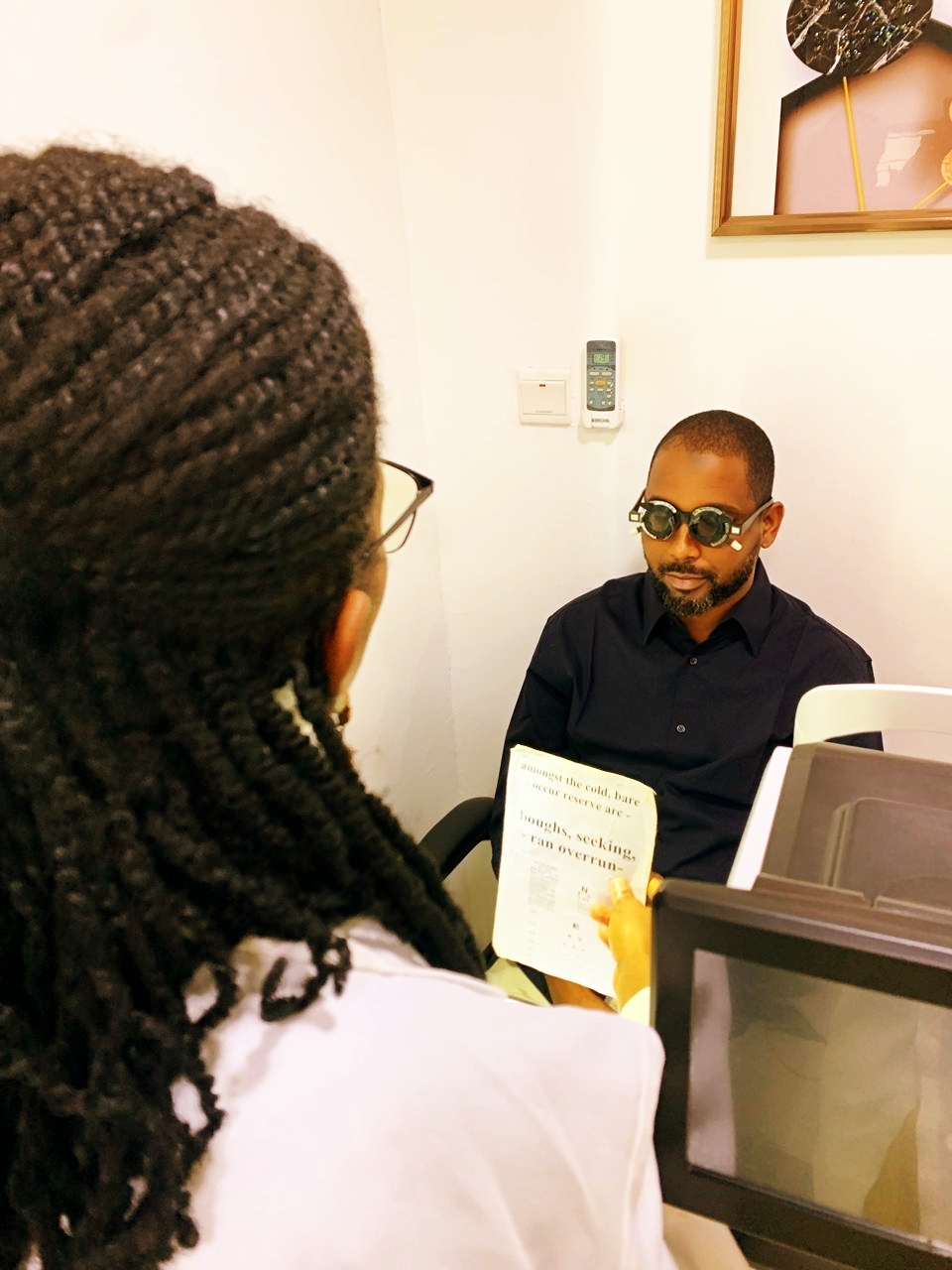
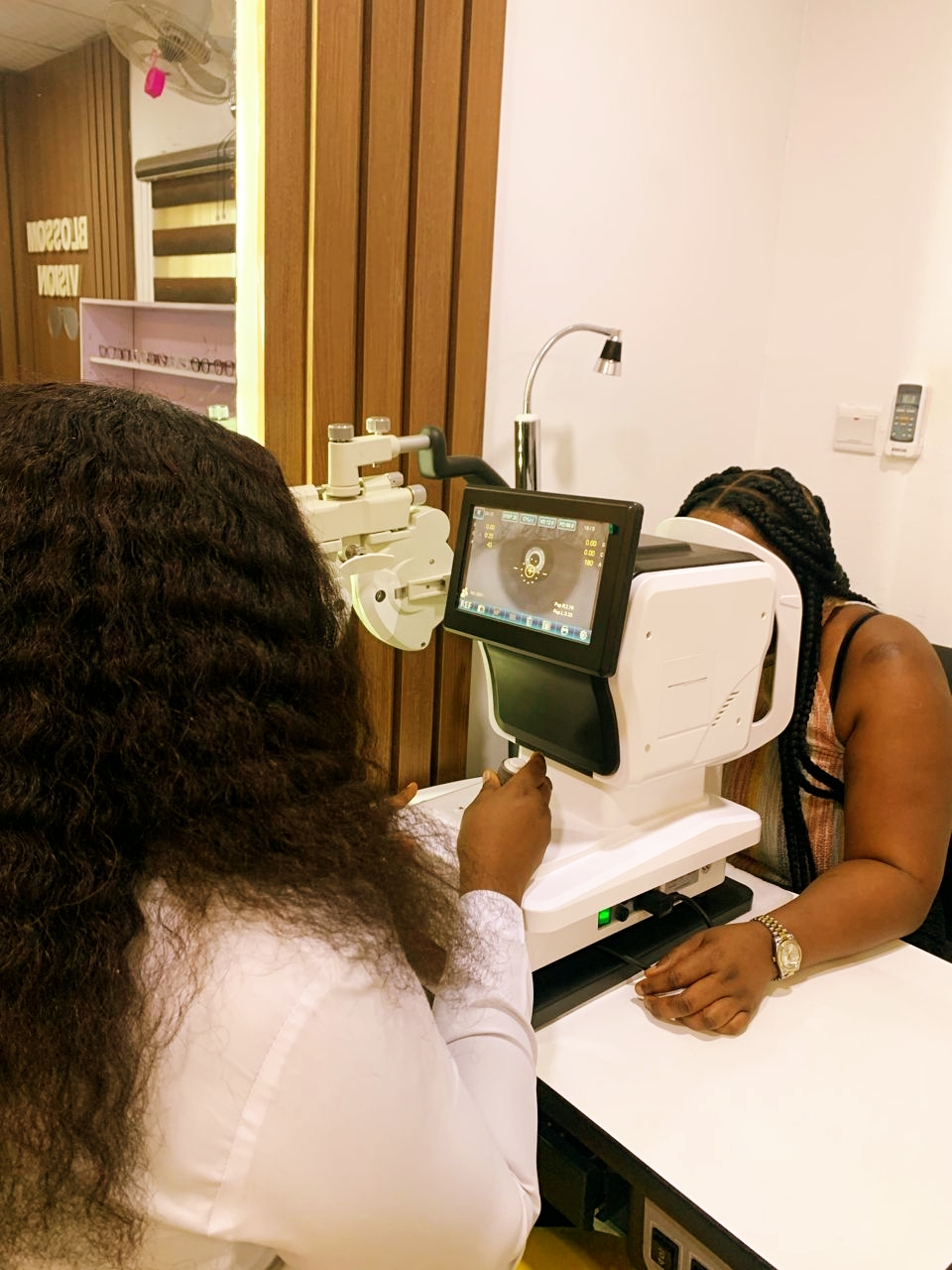
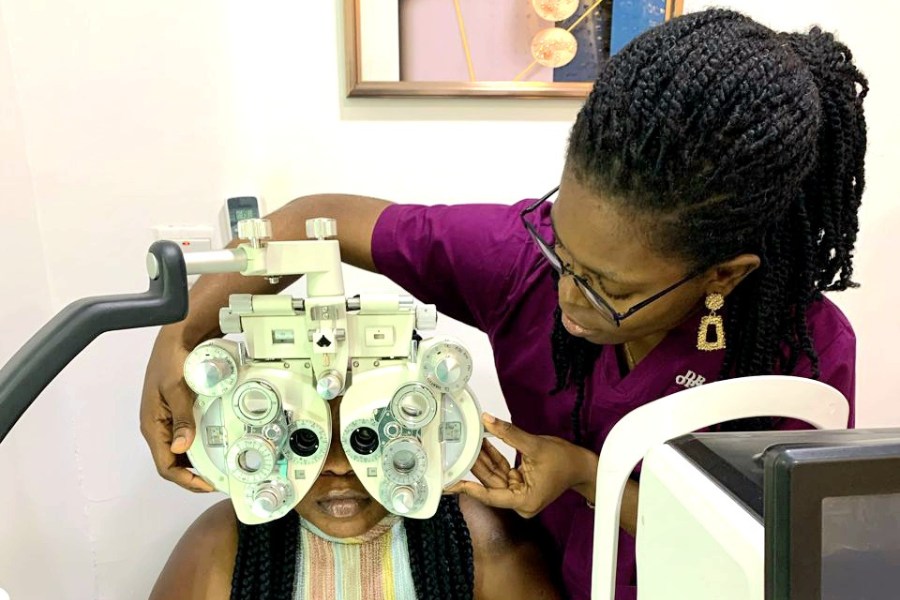
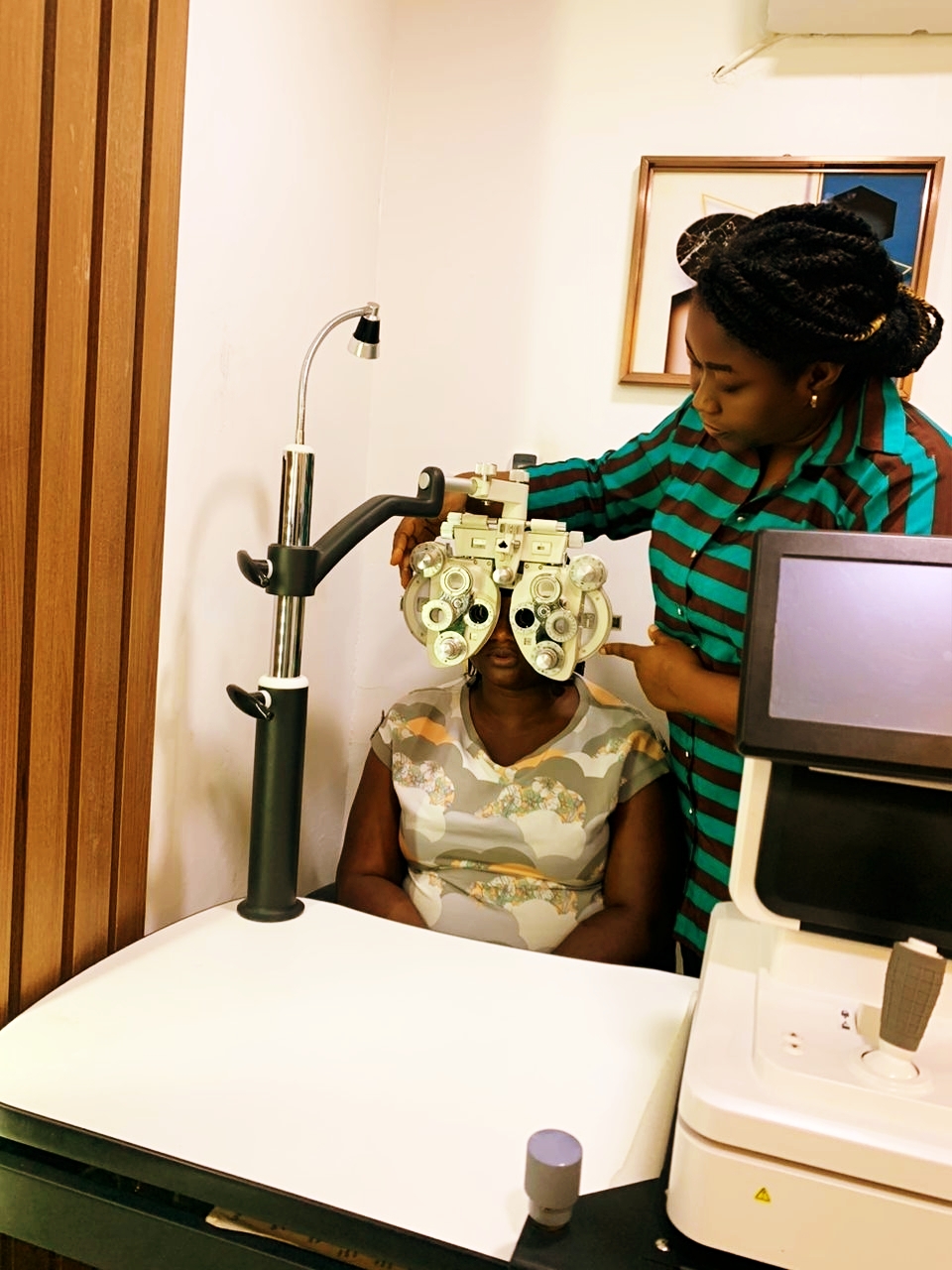
A comprehensive eye examination at Blossom Vision Eye Clinic around Games Village, Abuja assesses your vision and overall eye health. Our optometrists check for vision problems and signs of eye conditions and recommend the right glasses, contact lenses or further care based on your needs.
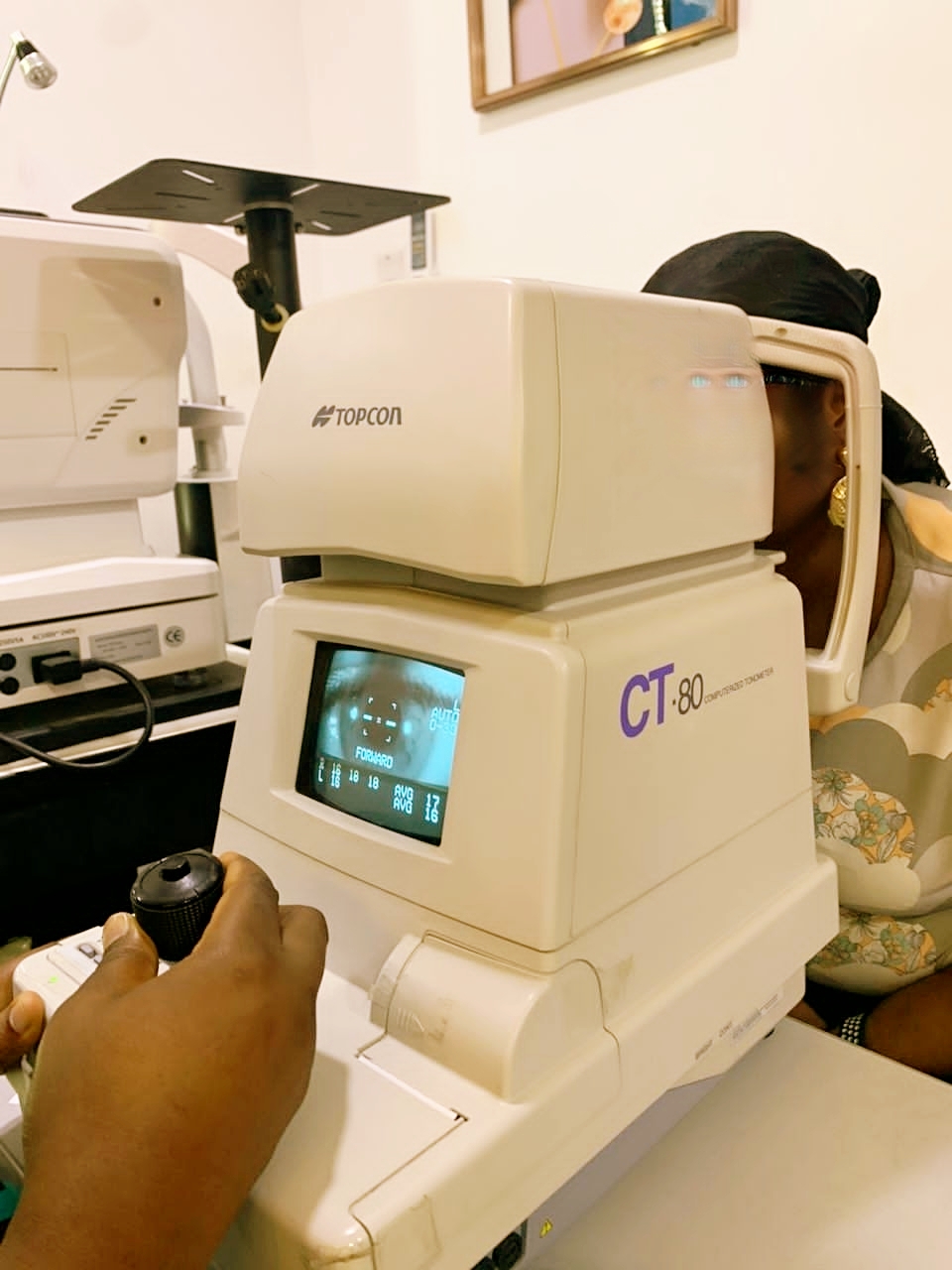
Glaucoma can develop without obvious symptoms and may cause permanent vision loss if not detected and managed early. Blossom Vision provides glaucoma screening and monitoring in Abuja, including eye pressure measurement, visual field testing, fundus assessment and other investigations where clinically appropriate. Referral may be recommended when additional specialist testing is required.
Diabetes can affect the eyes and may cause changes to the retina before noticeable vision problems occur. Blossom Vision provides diabetic eye examinations in Abuja to help identify eye changes early and guide appropriate follow-up and care.
Clear vision starts with the right prescription and the right lenses. Blossom Vision provides prescription glasses and lens options for children, students, professionals and families in Abuja, including options designed for different visual needs and lifestyles.
Children's vision can affect learning, reading, concentration and everyday activities. Blossom Vision provides children's eye examinations and paediatric eye care in Abuja to identify vision problems early and recommend appropriate care for your child.
Dry, irritated or uncomfortable eyes can affect your ability to work, read and use digital devices comfortably. Blossom Vision provides assessment and management of dry eye symptoms in Abuja, with recommendations based on the underlying cause and your individual needs.
How Much Does a Glaucoma Test Cost in Abuja?If you're looking for the cost of a glaucoma test in Abuja, the price depends on the tests your optometrist recommends after assessing …
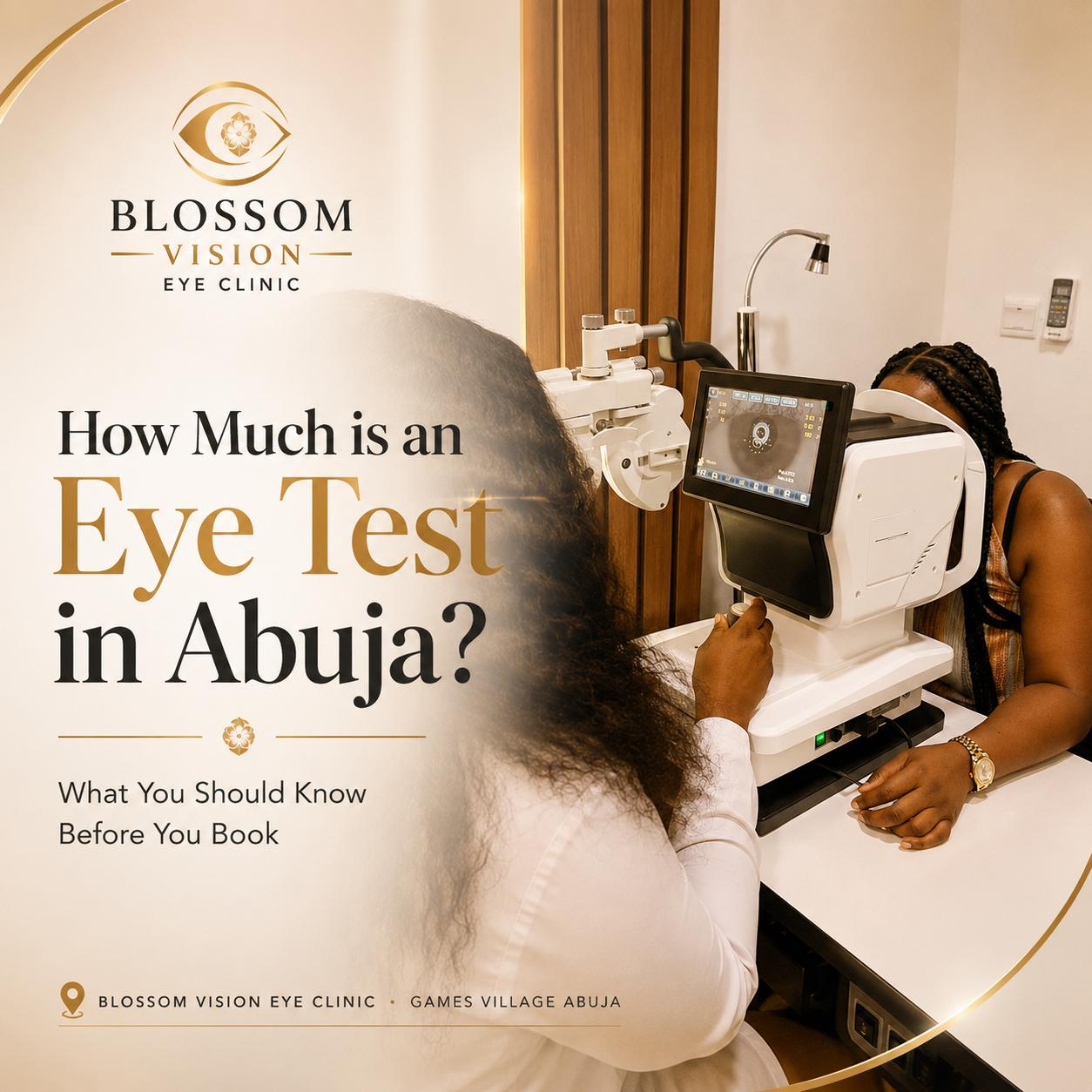
How Much Is an Eye Test in Abuja?If you are searching for the cost of an eye test in Abuja, one of the first things to understand is that not every eye examination includes exactl…
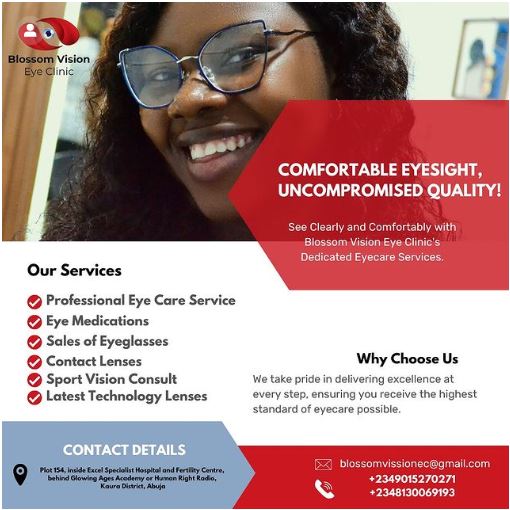
Eye Clinic in Games Village AbujaIf you are looking for an eye clinic in Games Village, Abuja, Blossom Vision Eye Clinic provides comprehensive eye examinations and personalised e…
Why Do My Eyes Feel Tired After Using a Computer?If your eyes feel tired, dry, heavy or blurry after spending hours on a computer or phone, you may be experiencing digital eye str…
Signs You Need an Eye Test in Abuja | Don’t Ignore These SymptomsBlurred vision, headaches, eye strain and difficulty seeing at night are obvious reasons to have your eyes checked…
The best eye clinic in Abuja offers comprehensive eye examinations, proper diagnosis, and early disease detection, not just glasses prescriptions.Choosing the right clinic can pre…
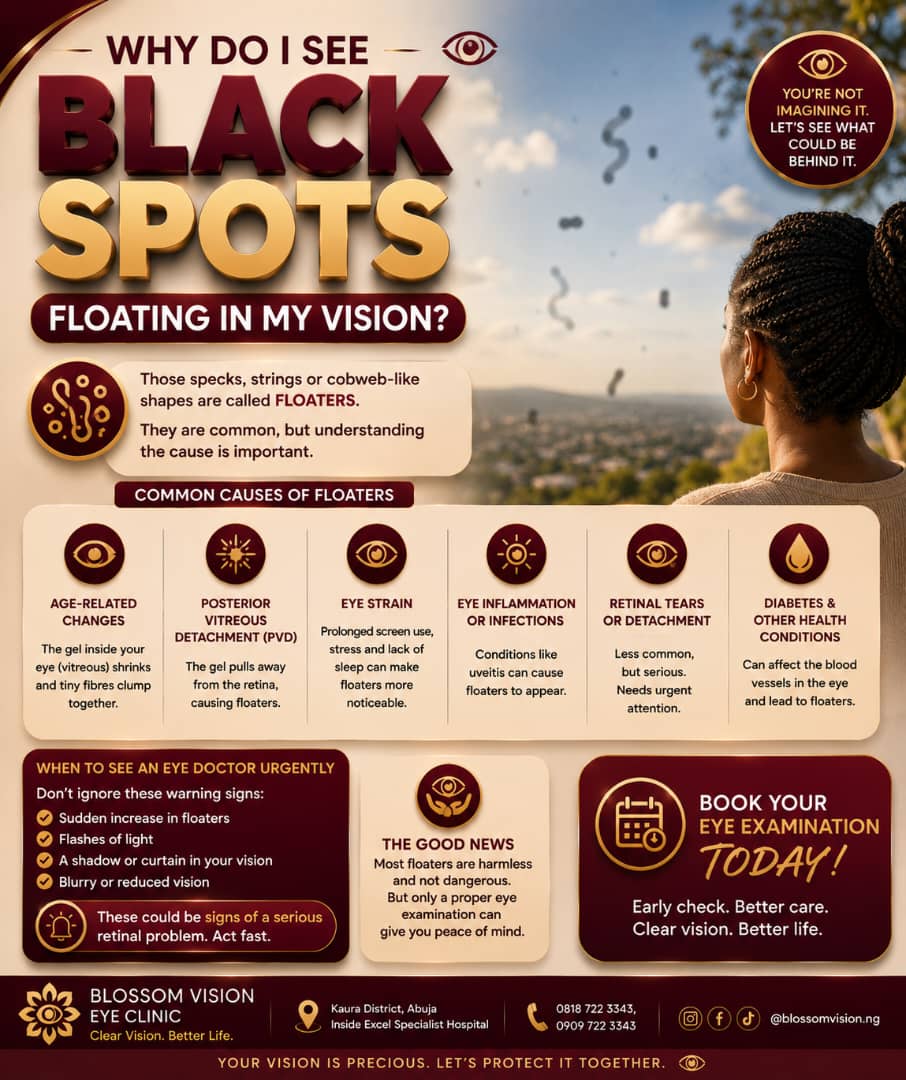
Why Do I See Black Spots Floating in My Vision?If you see black spots, strings, cobwebs or tiny shapes drifting across your vision, you may be experiencing eye floaters.Many float…
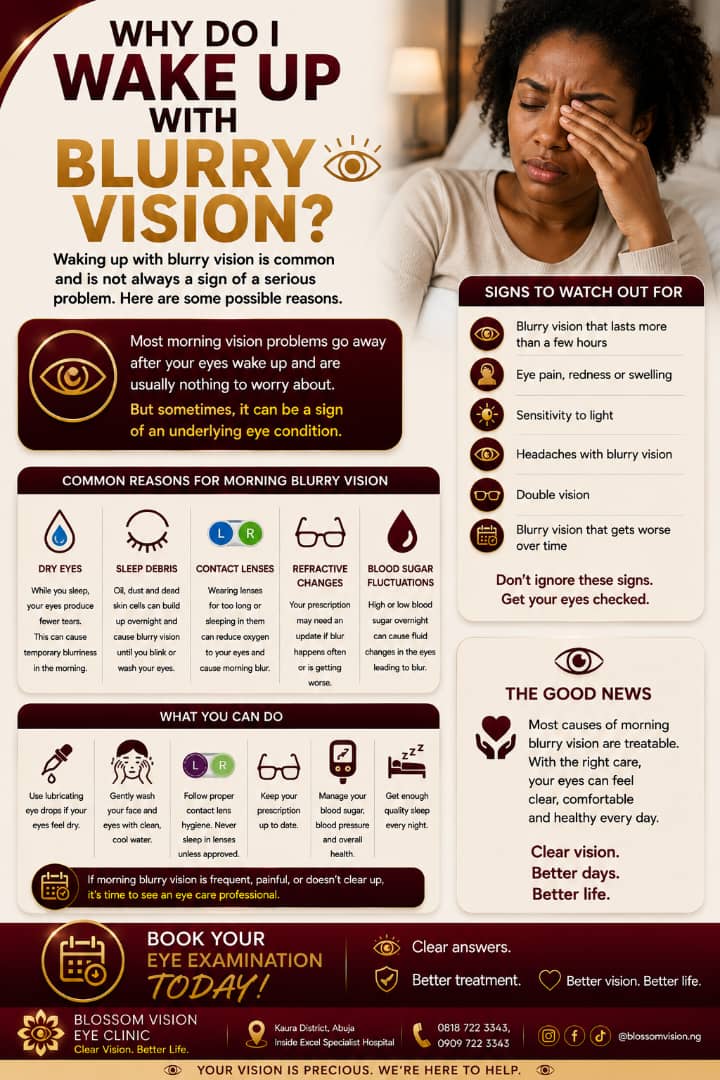
Why Do I Wake Up With Blurry Vision?Waking up with blurry vision is often related to dry eyes, the way your eyelids close during sleep, contact lens wear, temporary changes on the…
First floor, Excel Specialist Hospital, Behind Glowing Ages Academy, Around Games Village Kaura District, Abuja
info@blossomvisioneyeclinics.com
2348130069193